5 signs your water heater is failing
· Digital Advantage Studios LLC, Miami Beach, FL
Short answer: Signs your water heater is failing: If you notice strange noises, rusty water, leaks, inconsistent temperatures, or a really old water heater, these are strong signals it's failing. Addressing these issues early can prevent bigger problems and keep hot water flowing in your San Antonio home.
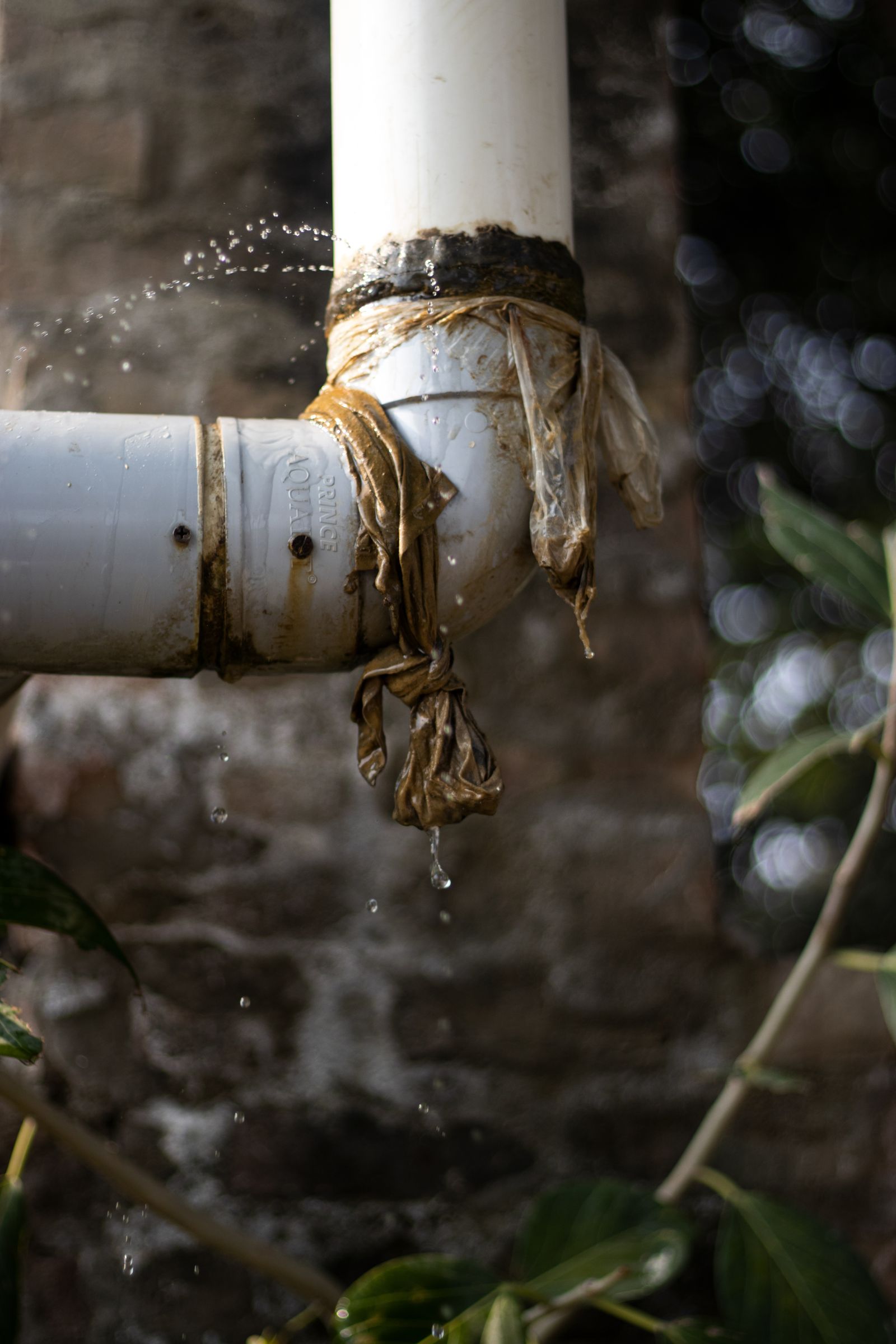
Is your water heater giving you trouble? Knowing the signs your water heater is failing can save you from a cold shower surprise or even a flooded laundry room. We've seen all sorts of water heater issues in San Antonio homes and businesses, and catching these problems early is always best.
1. Strange Noises Coming From the Tank
One of the first things you might notice is unusual sounds from your water heater tank. You might hear banging, rumbling, popping, or even a low hissing noise. These sounds are often caused by sediment buildup at the bottom of the tank. As water heats up, these mineral deposits harden and expand, creating noise. Over time, this sediment can make your water heater work harder, reducing its efficiency and lifespan.
When you hear these sounds, it's usually a sign that the heating element is struggling to heat water through the layer of sediment. While a flush can sometimes help, persistent or loud noises often mean the damage is already done. If your water heater sounds like it's brewing a storm, it's time to call us for a check-up. We can assess if a thorough Water Heater Service is needed or if it's nearing the end.
2. Rusty or Discolored Hot Water
Have you ever turned on the hot water and noticed it looks rusty or brownish? This is a clear red flag. If it's only happening with hot water, it's a strong indication that the inside of your water heater tank is corroding. The anode rod, which is designed to prevent rust by corroding itself, might have worn out. Once that rod is gone, the tank itself starts to rust.
Sometimes, this rust can also be from your pipes, but if only the hot water is affected, the water heater is the most likely culprit. Rusty water isn't just unpleasant; it can also be a sign of a tank that's about to fail completely. If you're seeing rust, don't wait. We need to come take a look before it turns into a larger issue.
3. Leaks Around the Base of the Tank
Any water pooling around the base of your water heater is a serious sign. A leak, no matter how small, can quickly turn into a big problem, causing water damage to your home. Leaks can stem from several places: loose connections, a faulty pressure relief valve, or, most concerningly, a crack in the tank itself.
If the leak is from a connection, it might be a simpler fix. But if the tank itself is leaking, it usually means the metal has corroded to the point of failure. This isn't something that can be repaired; a leaking tank means it's time for a new unit. Don't ignore puddles. Even a small drip can lead to significant damage and mold growth. Our Leak Detection & Repair crew can quickly find the source and advise on the best next steps.
4. Inconsistent Water Temperature or Lack of Hot Water
One day your shower is nice and hot, the next it's lukewarm or completely cold. This inconsistency is a strong indicator of a failing water heater. Several things can cause this: a broken heating element (for electric heaters), a faulty thermostat, or a buildup of sediment preventing efficient heating.
If your water heater isn't producing enough hot water, or if the hot water runs out much faster than it used to, it's a sign that it's struggling to do its job. For homes in San Antonio, this can be especially frustrating when you just want a consistent, warm shower. This often means your unit is working harder than it should be, wasting energy, or simply not capable of meeting your demands anymore.
5. Your Water Heater's Age
Even if you're not seeing obvious signs, the age of your water heater is a crucial factor. Most traditional tank water heaters have a lifespan of 10 to 15 years. Tankless units can last longer, sometimes up to 20 years or more with proper maintenance. If your unit is approaching or past its tenth birthday, it's living on borrowed time.
Older units are less energy-efficient, meaning they cost more to operate every month. They are also more prone to breakdowns, often at the least convenient times. Knowing your water heater's age helps you plan for a replacement rather than reacting to an emergency. If you're unsure of its age, look for the serial number on the unit and check the manufacturer's date code, or just give us a call, and we can help you figure it out.
---
What to Do If You Spot These Signs
| Sign of Failure | What It Means | When to Act |
| :------------------------------- | :--------------------------------------------- | :--------------------------------------------- |
| Strange Noises | Sediment buildup, worn-out parts | Call us soon for inspection |
| Rusty/Discolored Hot Water | Tank corrosion, failing anode rod | Act quickly to prevent tank failure |
| Leaks Around Tank | Loose connections, valve issue, tank crack | Immediate attention needed |
| Inconsistent/No Hot Water | Failed heating element/thermostat, sediment | Schedule a check-up to diagnose |
| Unit's Age (10+ years) | Nearing end of lifespan, less efficient | Consider proactive replacement |
---
Ignoring these signs can lead to bigger, more costly problems down the road, like a burst tank and significant water damage. Our crew is here to help homeowners and business owners across San Antonio keep their hot water flowing reliably.
If you've noticed any of these signs, don't hesitate to reach out. We can diagnose the problem and provide options, whether it's a repair or a full replacement. You can reach Graef Plumbing at +12105997577 to schedule a visit or ask any questions. We're proud to serve San Antonio, Texas, and the surrounding areas from our base at 78233.