After Hours Calls Small Business Guide: What Actually Happens
· Digital Advantage Studios LLC, Miami Beach, FL
Short answer: When you miss after hours calls small business owners lose money. Callers either hit a dead-end voicemail, interrupt your personal cell phone, reach a simple message-taking service, or book instantly with an AI receptionist. Choosing a system that captures leads immediately ensures those customers wait for your morning arrival.

When a customer dials an after hours calls small business line, one of five things happens: the phone rings out, hits a voicemail, routes to a cell phone, connects to an answering service, or reaches an AI receptionist. The path you choose dictates whether that caller books a job or immediately calls your competitor.
The Mindset of the After-Hours Caller
Local service businesses do not operate on a strictly 9-to-5 schedule because home and commercial emergencies do not care about the clock. When a potential customer dials your number at 8:30 PM, they generally fall into one of two categories: the emergency caller or the convenience caller.
The emergency caller is standing in two inches of water, sweating in a home with a broken AC, or staring at a shattered storefront window. They are panicked. They are not shopping for the best price; they are shopping for the first person who actually answers the phone and promises a fast solution.
The convenience caller is the homeowner who works a standard job. They only have time to handle personal admin—like scheduling a roof inspection or booking an auto detail—after they put their kids to bed. If you operate an auto detailing shop in Detroit and a customer wants to book a weekend appointment on a Tuesday night, they expect an easy, frictionless way to do it.
Takeaway: After-hours callers are highly motivated buyers who prioritize immediate response over brand loyalty.
To see more strategies on handling off-hours communication, explore our Missed Calls & AI Receptionists hub.
Scenario 1: The Ring-Out and the Generic Voicemail
Let us follow the emergency caller who reaches your generic voicemail. The phone rings four times, followed by an automated carrier voice or a quick recording of you stating your operating hours.
A ring-out is a call that goes entirely unanswered without even routing to a voicemail system. While rare for cell phones, this still happens frequently with older landlines or improperly configured business VoIP systems. It is the worst possible customer experience because the caller feels completely ignored.
When a caller hits a standard voicemail, they face a choice. They can leave their name, number, and problem, and hope you call them back the next day. But because they have an urgent issue, hope is not a strategy. Instead of waiting, they hang up, return to Google, and call the next business down the list.
You might get the voicemail notification the next morning. However, when you return the call, the job is usually already gone. You spent marketing dollars to acquire a lead, only to hand that lead directly to a competitor because your phone system hit a dead end.
Takeaway: A generic voicemail simply acts as a prompt for the customer to call your competitor.
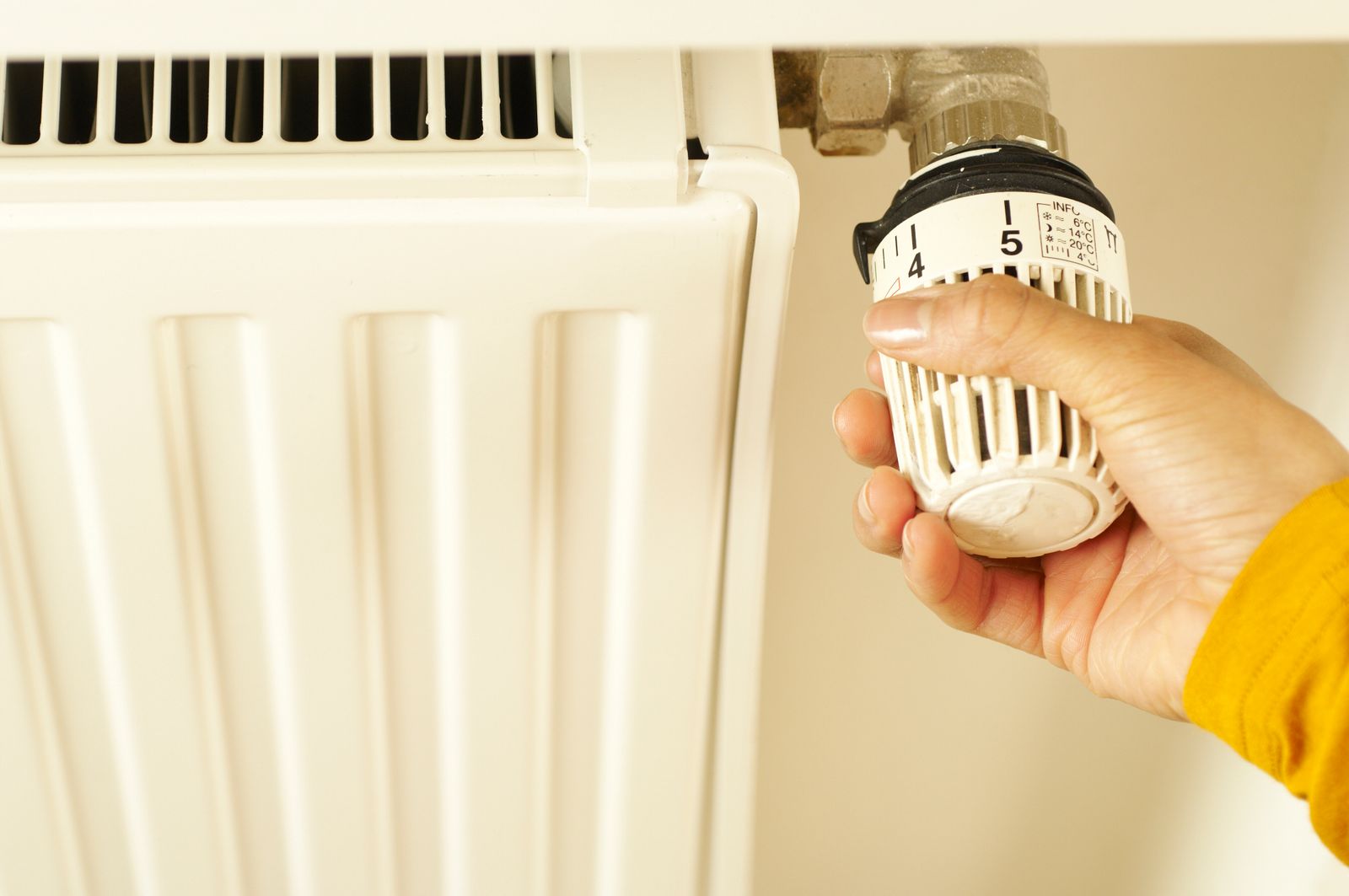
!Professional HVAC service — After Hours Calls Small Business Guide: What Actually Happens
Scenario 2: Forwarding to the Owner's Cell Phone
Many operators try to solve the voicemail problem by routing everything to their personal device. If you operate a small business in Miami Beach, you might assume that being available 24/7 is just part of the hustle and a requirement for growth.
So, you answer the phone. But you answer from a noisy restaurant, a kid's soccer game, or your bed at 11:00 PM. The customer hears the background noise. They hear the exhaustion in your voice. You cannot check your scheduling software because you are driving or away from your desk, so you ask them to text you their details, or you promise to call them back in the morning.
From the customer's perspective, this interaction feels disorganized. They reached a human, which is better than a machine, but they did not get a confirmed appointment. They got a tentative promise from someone who sounded distracted.
From your perspective, the cost is even higher. You never actually leave work. The boundary between your business and your personal life evaporates. This leads directly to burnout, and it fundamentally limits the growth of your business to the hours you are personally awake.
Takeaway: Forwarding business calls to a personal cell phone trades your private time for an unprofessional customer experience.
Scenario 3: The Traditional Answering Service
To protect their evenings, many owners hire a third-party answering service. Traditional providers, such as Ruby or AnswerConnect, employ human operators who answer your inbound calls remotely from a call center.
When the customer calls, a professional operator answers with your company name. The operator is polite, awake, and working from a quiet environment. The customer explains their broken pipe or failing furnace, expecting immediate help.
But the operator is not a plumber or an HVAC technician. They are reading from a basic script. They typically say, "I am sorry, the office is closed for the evening, but I can take a message and have the team contact you first thing tomorrow."
The customer feels heard, but their primary problem remains unsolved. They still do not have a confirmed appointment window. Because they still feel anxious about their emergency, there is a high probability they will continue calling other local providers until they secure a hard spot on a calendar.
For the business owner, an answering service provides a neat list of messages to review the next morning. However, you still have to dedicate your first hour of the day to playing phone tag, hoping those leads have not already hired someone else.
Takeaway: Traditional answering services are polite, but they only delay the callback you still have to make.
Read more about the financial impact of delayed callbacks in our guide to the real cost of a missed call.
Scenario 4: The AI Receptionist
The most modern approach leverages conversational artificial intelligence to handle off-hours communication. An AI receptionist is an automated voice system trained specifically on your business data to answer calls, reply to specific questions, and capture lead details or book appointments in real time.
When the 8:30 PM caller dials your number, the AI answers instantly. It sounds natural, clear, and conversational. The caller says, "My water heater just burst." Because the system is trained on your exact services and availability, it responds intelligently. It might say, "I can absolutely help with that. Our technicians will be available starting at 8:00 AM tomorrow. Would you like me to secure our first appointment window for you?"
The customer says yes. The AI collects their name, exact address, and phone number. It texts the customer a confirmation message, and it texts you the lead details instantly.
If you operate a plumbing company in Durango, this means you wake up to booked jobs rather than a list of voicemails to chase. The customer goes to sleep knowing a professional is arriving at 8:00 AM. They stop calling other businesses because their problem is tangibly solved.
Takeaway: An AI receptionist stops the customer's search by turning an after-hours inquiry into a concretely booked appointment.
You can learn more about the technical setup in our breakdown of AI Receptionists Explained.
A Direct Comparison of Customer Outcomes
To visualize the difference, look at how the customer experiences each option when they call at 9:00 PM with an urgent need.
| Call Routing Method | Immediate Customer Experience | Business Owner Experience | Customer's Next Action |
| :--- | :--- | :--- | :--- |
| Voicemail | Hears a recording, leaves a message. | Unaware until morning. | Calls a competitor immediately. |
| Owner's Cell Phone | Hears background noise, no firm booking. | Interrupted during personal time. | Waits, but feels uncertain. |
| Answering Service | Talks to a polite human script-reader. | Receives an email or text message. | May still call competitors for a firm booking. |
| AI Receptionist | Has a conversational chat, books a time. | Wakes up to a booked calendar. | Goes to sleep, search over. |
Takeaway: The best after-hours solution provides the caller with certainty without requiring your manual intervention.
The Financial Reality of Call Handling Solutions
Every option carries a different cost structure. Voicemail is completely free, but it heavily costs you the revenue from lost jobs. Forwarding to your cell phone is free financially, but it costs your sanity, family time, and professional image.
Traditional answering services typically charge by the minute or by the call. This means a long-winded caller or a heavy spam day can inflate your monthly bill unpredictably, turning overhead into a moving target.
At Digital Advantage Studios, we focus on flat-rate predictability so local service businesses can confidently scale. If you use our AI Receptionist product, it is available standalone for $199/mo. If you need a new website entirely, our Launch plan is $99/mo with no setup fee, and you can add the AI receptionist for just $79/mo. If you opt for our Growth plan at $449/mo (plus a $299 one-time setup), the AI receptionist is completely included in the package alongside your local SEO and marketing work.
Because these are flat monthly rates, you never pay extra if your phone rings fifty times in one night during a severe winter storm. You know exactly what your operational costs are going to be every single month.
Takeaway: Predictable, flat-rate call handling ensures your business scales without your overhead costs spiraling.
Taking Control of Your After-Hours Pipeline
You cannot control when a pipe bursts, a roof leaks, or an air conditioner fails. You can only control how your business responds when the customer reaches out for help in the dark. Leaving those leads to chance or hoping they wait until morning is a losing strategy in modern local service markets.
Stop handing your hard-earned leads to the competitors who actually answer the phone. Implement a structured system that respects your personal time while aggressively capturing new business round the clock.
Takeaway: Your after-hours call handling is the crucial last line of defense for your entire marketing budget.
If you are ready to see how an automated system can transform your evenings, get a free site preview or reach out for a consultation. We custom-code websites for local pros that go live in 48 hours, featuring built-in AI lead capture, all with no long-term contracts.