Scheduling Appliance Repair Calls Without a Dispatcher
· Digital Advantage Studios LLC, Miami Beach, FL
Short answer: Automating appliance repair scheduling without a human dispatcher requires capturing the appliance brand, model number, and specific failure symptoms before offering an arrival window. By using an AI receptionist, you can instantly triage calls, request photo texts of model stickers, and pre-qualify parts requirements, ensuring your technicians arrive fully prepared without playing phone tag.
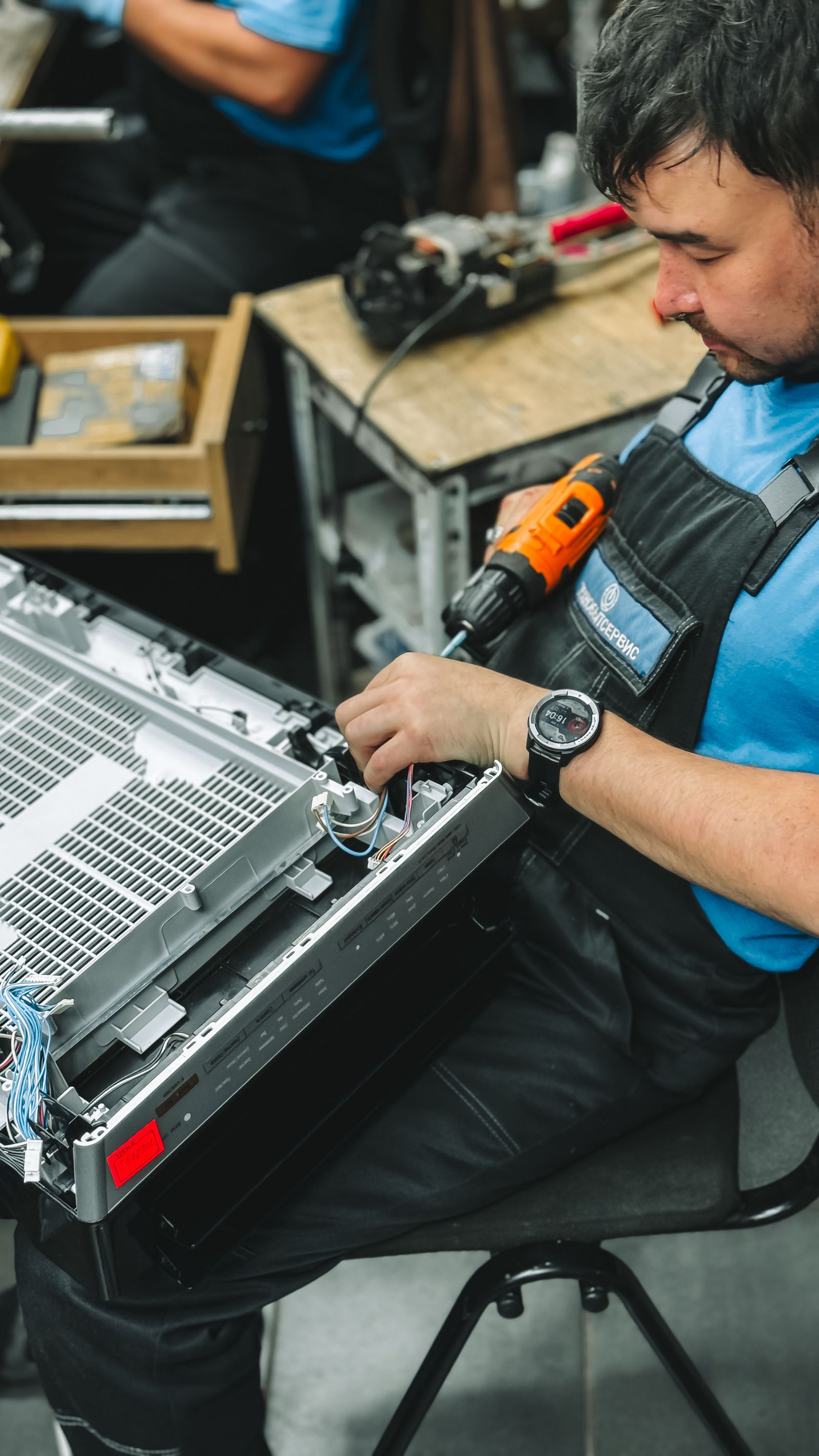
The New Standard for Appliance Repair Scheduling
You can fully automate appliance repair scheduling without a human dispatcher by routing calls to an AI receptionist that captures the appliance brand, model number, and symptoms, then cross-references your availability to offer a precise arrival window. Instead of paying someone to play phone tag and transcribe serial numbers, your scheduling system pre-qualifies the parts run before your technician ever climbs into the van.
Running an appliance repair business is uniquely chaotic because a single service call requires multiple layers of precise information. If a customer calls a plumber, "my pipe is leaking" is usually enough information to dispatch a truck. If a customer calls you, "my fridge is broken" tells you absolutely nothing. You need to know if it is a Samsung, a Whirlpool, or an LG. You need to know if it is a cooling issue or an ice maker failure. Most importantly, you need the model number to ensure you actually have access to the parts required to fix it.
Attempting to gather all of this information while your head is buried inside a dryer is impossible. You end up sending calls to voicemail, and the customer simply hangs up and calls the next company on Google. By removing the human bottleneck at the intake level, you secure the job instantly.
Why Traditional Dispatch Fails the Solo Technician
A dispatcher's highest value is in managing complex routing exceptions, not transcribing serial numbers from the inside of a washing machine.
When a human dispatcher or an owner-operator fields a call, the interaction is often rushed. The customer rarely knows where their model sticker is located. The dispatcher tries to explain over the phone that the sticker on a top-load washer is usually under the lid, while on a front-loader it is on the door frame. The customer reads the number incorrectly, substituting a zero for the letter O. The technician arrives the next day, realizes the part ordered is for a slightly different model, and has to reschedule the repair.
Assume an average repair ticket in your market is $250. If you miss just two calls a week because you are driving or actively wrenching on a machine, you are losing $2,000 in gross revenue every single month. Furthermore, if you rely on a traditional human answering service, the operator simply takes a message and tells the customer you will call them back. In the appliance repair industry, customers do not wait for callbacks. They want a confirmed appointment immediately because their food is actively spoiling or their laundry is piling up.
An AI receptionist is a conversational software agent programmed to answer inbound phone calls, ask qualifying questions, and book appointments automatically. By deploying one, you eliminate the phone tag entirely.
!Appliance repair technician at work — Scheduling Appliance Repair Calls Without a Dispatcher
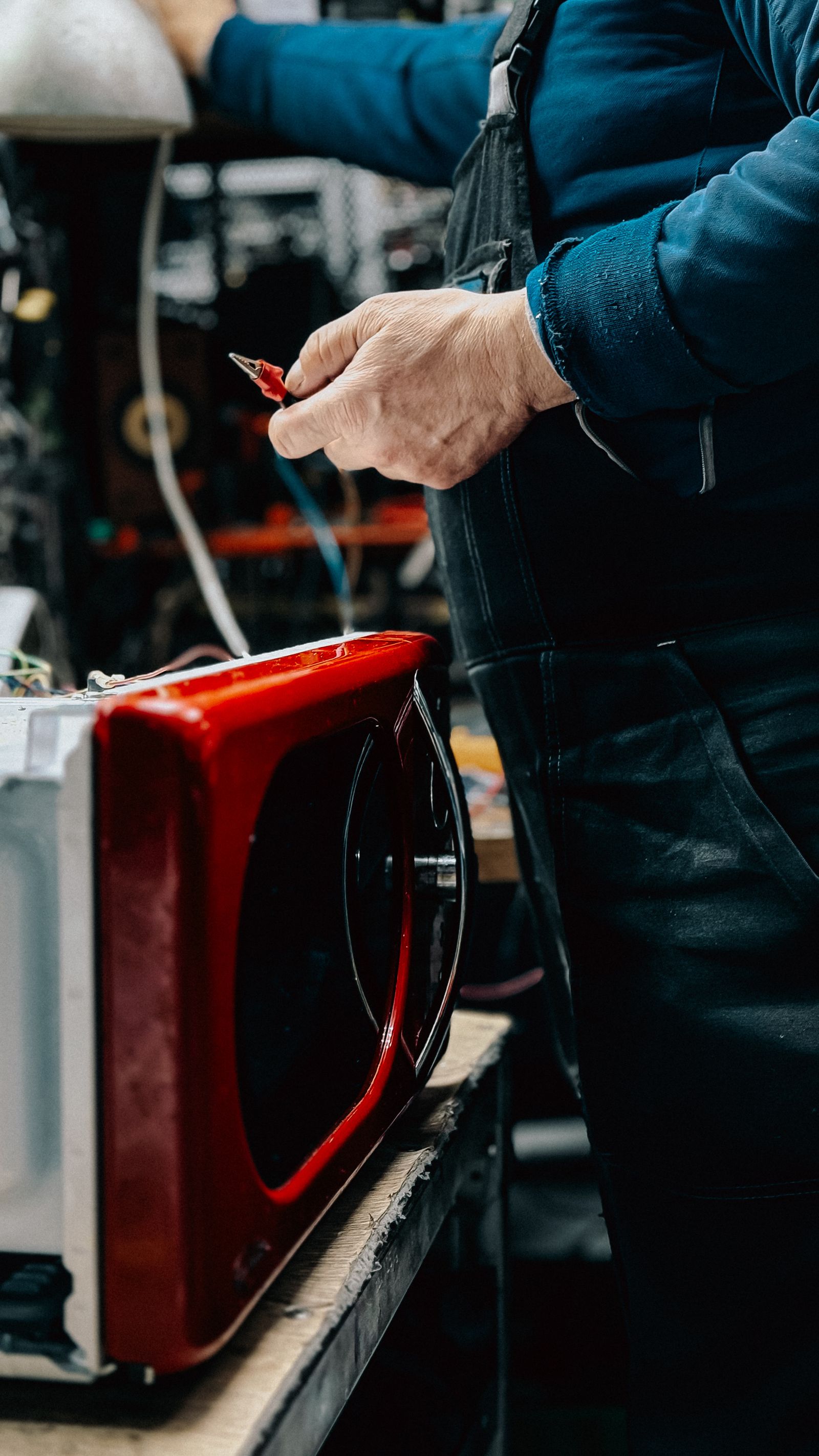
Structuring the AI Intake Flow
Effective automated intake turns a generic "my fridge is broken" complaint into a fully actionable parts run before the truck rolls.
To safely automate your appliance repair scheduling, your phone system must follow a rigid intake protocol. It cannot simply ask "when would you like us to come out?" It must gate the scheduling calendar behind a series of qualifying questions.
Here is the exact flow you should program into your intake system:
- Appliance Categorization: The system first identifies the exact machine. Is it a refrigerator, dishwasher, oven, range, washer, or dryer? Gas or electric?
- Brand Identification: It asks for the manufacturer. This is critical because some technicians refuse to work on specific brands due to parts availability or sealed-system complexities.
- Symptom Collection: The AI asks what the machine is doing wrong. Is it making a grinding noise? Is it displaying an error code?
- Model Number Capture: Rather than forcing the customer to read a long alphanumeric string over the phone, the system offers to send them an instant SMS message. The customer replies to the text with a clear photo of the data sticker.
- Arrival Window Booking: Only after these steps are completed does the system check your calendar and offer an available slot.
This precise workflow ensures that when your technician wakes up and checks their schedule, every single job is fully documented, allowing them to swing by the supply house and grab the right heating elements or drain pumps before the first stop.
Capturing Model Numbers Without Human Error
Customers do not necessarily need an immediate repair; they need immediate certainty about when the repair will happen.
One of the biggest hurdles in appliance repair scheduling is securing the exact model number. If a customer is standing in their kitchen looking at a dead oven, asking them to find a 15-character serial number on a phone call causes frustration. It also introduces massive human error.
To solve this, modern automated systems seamlessly blend voice calls with text messaging. When the caller reaches the model number stage of the conversation, the automated system says, "To make sure our technician brings the right parts, I am texting you a link right now. Can you please reply to that text with a photo of the sticker inside your appliance?"
The customer feels taken care of because the system is being proactive about saving them time. They snap the photo, text it back, and the image is instantly attached to the calendar event in your system. There is no more guessing if the letter "B" was actually an "8" over a static-filled cell phone connection.
Managing Arrival Windows and Route Density
An arrival window is a set block of time, typically two to four hours, during which a customer is guaranteed a technician will show up at their property.
You cannot promise exact times in appliance repair. A simple igniter replacement on a gas oven might take twenty minutes, but if a mounting screw is stripped and rusted, it could take two hours. If you promise a customer you will arrive exactly at 1:00 PM and your morning jobs run long, you ruin your reputation before you even pull into their driveway.
Your automated scheduling system must be configured to offer blocks of time. When a customer calls, the system should read your calendar via an API connection and offer realistic choices. "We have a technician available tomorrow morning between 8:00 AM and 12:00 PM, or tomorrow afternoon between 1:00 PM and 5:00 PM. Which works better for you?"
| Appliance Issue | Priority Level | Automated System Action |
| :--- | :--- | :--- |
| Warm Refrigerator | High | Book next available slot, alert technician via immediate text. |
| Leaking Washing Machine | High | Book next available slot, instruct customer to shut off water valve. |
| Broken Ice Maker | Low | Offer standard availability for the upcoming week. |
| Oven Not Heating (Holiday Week) | High | Book priority slot, warn of holiday dispatch fee. |
| Dryer Squeaking | Low | Offer standard availability. |
By controlling the calendar in this manner, your scheduling stays realistic, and your technicians are never forced to race recklessly across town to meet an impossible deadline.
Handling the "Emergency" Call
Not all appliance failures are emergencies, but a scheduling system must treat the customer's anxiety with urgency to secure the booking.
Call triage is the process of categorizing inbound requests by urgency and required skill level before assigning them to a technician. In appliance repair, a warm refrigerator full of insulin or expensive groceries is a genuine emergency. A dishwasher that leaves spots on glasses is not.
Your automated system must understand this distinction. If you serve a high-density area, you know how wild call volume can get during peak seasons. Think about an Answering Service for Small Business Miami Beach owners rely on—when snowbirds return to their condos and turn on appliances that have sat dormant for six months, the phone rings endlessly.
If the AI detects words like "leaking water," "smells like burning," or "warm fridge," it can bypass the standard calendar entirely and immediately route the call directly to the cell phone of your on-call technician. If the tech does not answer, the system resumes the booking process to secure the lead. This hybrid approach ensures you capture routine revenue automatically while still providing white-glove triage for high-value emergencies.
Connecting the Website to the Answering System
Your website and your phone system must share the same booking logic to prevent double-booking a single technician.
A great answering system is useless if your website fails to drive calls or if the two systems do not talk to each other. When a frustrated homeowner searches for appliance repair, they click the first fast-loading, professional site they see. If they click your site and call, but bounce back to search because no one answered, Google notices. When users consistently bounce from your site to call a competitor, it negatively impacts your local search metrics, which often answers Why Isn't My Business Showing Up on Google Cullman? or wherever your service area happens to be.
LocalBusiness schema is structured code added to your website that helps Google understand your service area, hours, and contact methods. At Digital Advantage Studios, we ensure every custom website we build includes this proper schema so you rank correctly. But more importantly, we tie your web presence directly into our proprietary app system.
Whether a customer clicks "Book Now" on your website or dials your phone number, they should be fed into the exact same calendar. This prevents a web user from claiming the Tuesday morning slot three seconds after your AI receptionist just promised it to a phone caller.
Next Steps for Your Repair Business
Automating your dispatching gives you your time back. It allows you to focus on diagnosing sealed systems and fixing machines, rather than sitting in the front seat of a van scribbling on a notepad.
If you want to read more about handling difficult call volumes, explore our complete library on Missed Calls & AI Receptionists.
If you are ready to modernize your operations today, we make it simple. At Digital Advantage Studios, our AI receptionist product tiers include a standalone option for $199/mo. If your website is also outdated and failing to convert, you can move over to our Launch plan. For $99/mo with no setup fee, you get a custom one-page website that is generated in about 60 seconds and goes live today. Your custom domain goes live within 24–48 hours once DNS propagates. From there, you can add the AI receptionist to the Launch plan for just $79/mo.
We require no long-term contracts; everything operates on a month-to-month basis, and you can cancel anytime. Get started by grabbing a free site preview today, and stop losing $250 repair tickets to voicemail.