Septic Emergency Answering: Triaging Backups After Hours
· Digital Advantage Studios LLC, Miami Beach, FL
Short answer: When a tank overflows at midnight, homeowners do not leave voicemails. Septic emergency answering requires instant pickup and strict triage to protect your on-call tech's sleep. By using smart screening questions, you ensure urgent backups get immediate dispatch while routine pump-outs are securely scheduled for regular business hours without losing the job.
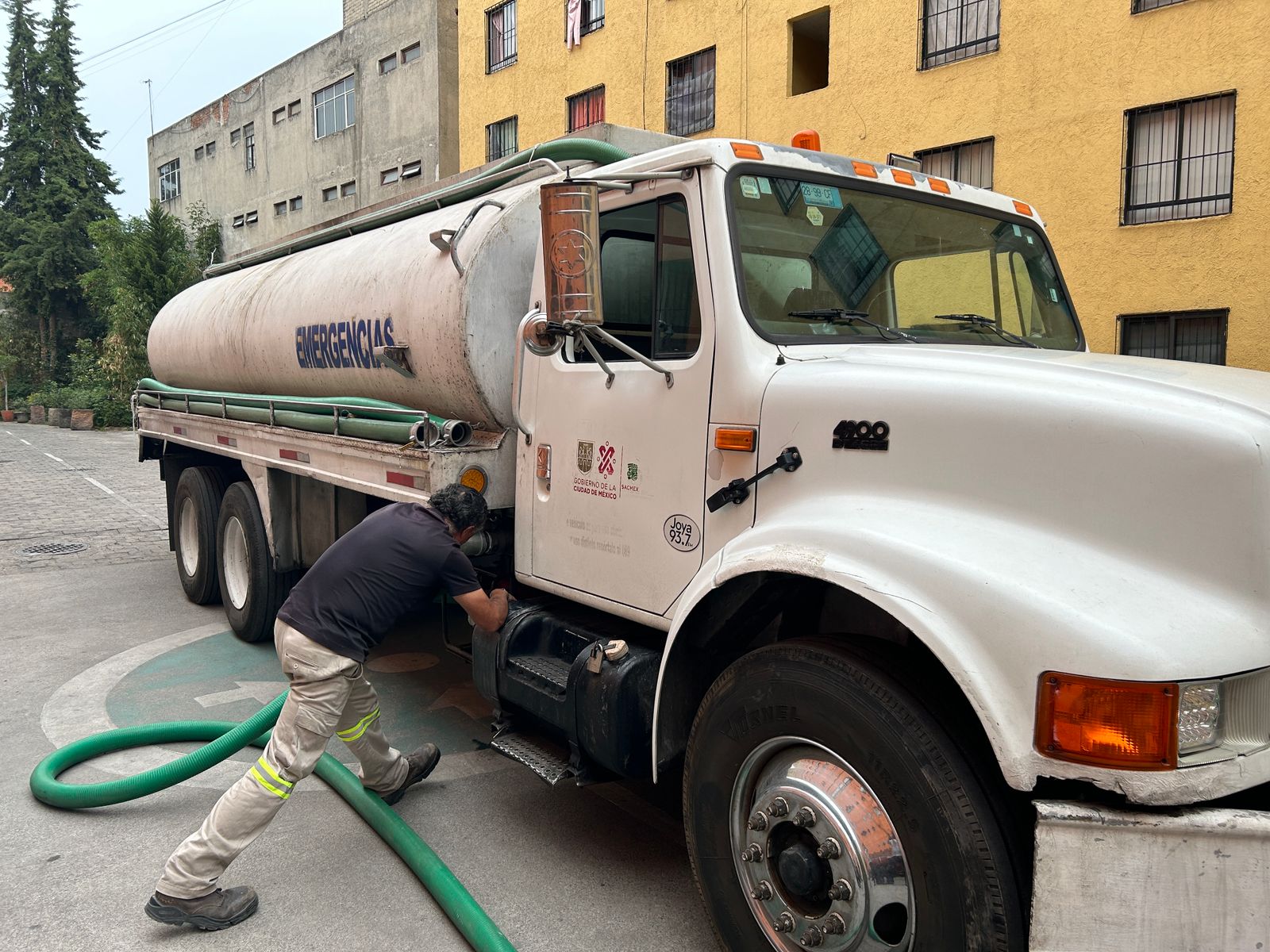
The Midnight Overflow Doesn't Leave Voicemails
Septic backups do not wait for business hours. When sewage floods a home at 2 AM, homeowners immediately call the next company if you fail to answer. Proper septic emergency answering is a system that captures these callers instantly, triages the severity of the issue, and secures the dispatch before they dial your competitor.
Homeowners facing a biohazard in their yard or basement are not comparison shopping based on price. They are shopping for immediate relief. The psychological state of a caller standing in a puddle of wastewater is sheer panic. They want to hear a confident voice telling them help is on the way. If your phone goes to a generic voicemail greeting telling them your office hours, that prospect is gone forever.
Furthermore, winning the emergency call often wins you the maintenance contract for life. The company that bails a homeowner out of a midnight disaster becomes their trusted provider for routine pump-outs, inspections, and eventual system replacements.
First-call resolution is the ability to address and solve the customer's immediate need during their initial contact with your business. In the septic industry, first-call resolution means giving the caller a definitive timeline for arrival. You cannot achieve this if your phone is ringing out.
> In the septic business, the company that answers the phone at 2 AM wins the immediate dispatch and the lifetime customer.
Triage: Is It a True Emergency or a Tomorrow Job?
Not every late-night call requires rolling a heavy pump truck in the dark. A gurgling drain or a slow flushing toilet can often wait until sunrise, but raw sewage actively spilling into a basement cannot. Your answering system must act as a filter, separating mere panic from true mechanical urgency.
Triage is the process of sorting incoming issues by severity to determine what gets handled immediately versus what gets scheduled for later. A smart septic emergency answering setup handles this friction for you. It asks the critical questions before waking up your technician. You cannot expect a frantic homeowner to accurately self-diagnose a failing drain field, but you can ask them the right questions to determine if a midnight dispatch is actually necessary.
Here is the baseline decision matrix your answering protocol should follow:
| Caller Scenario | Triage Assessment | System Action |
| :--- | :--- | :--- |
| "Sewage is actively backing up into my lowest bathroom right now." | Critical Emergency | Dispatch immediately to on-call tech. |
| "The red alarm light on my pump station is going off." | High Priority | Evaluate weather/tank level; alert tech for guidance. |
| "The yard smells bad near the drain field." | Routine Service | Schedule inspection for regular business hours. |
| "It’s been five years and we need a standard pump out." | Maintenance | Book appointment for next week. |
> Effective call screening protects your schedule by separating immediate biohazards from routine maintenance inquiries.
!Septic pumping and drain service — Septic Emergency Answering: Triaging Backups After Hours
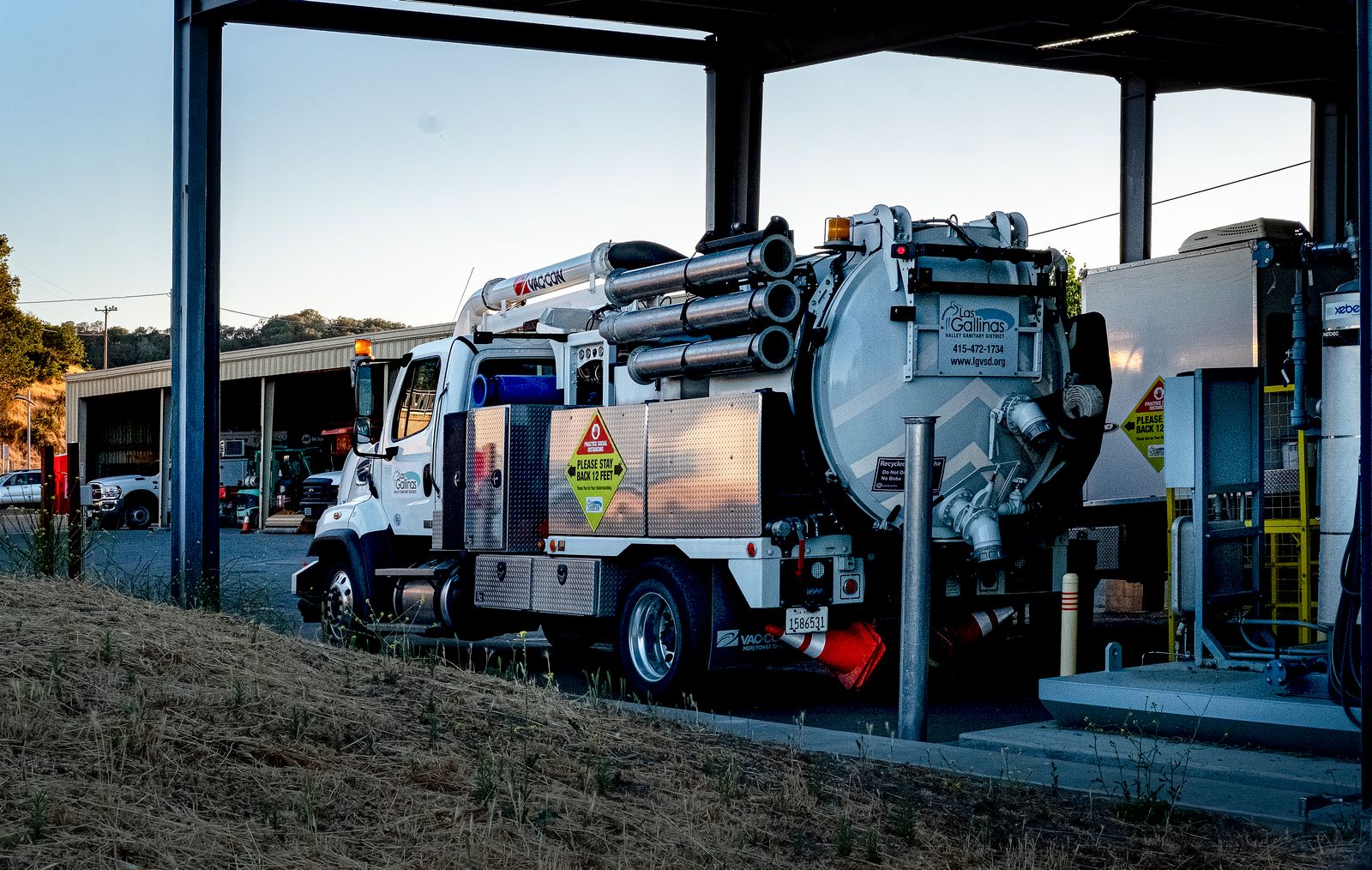
Protecting Your On-Call Tech's Sanity
Turnover ruins local service businesses. Good septic technicians are incredibly hard to find and even harder to keep. If your on-call technician gets woken up at 3 AM for a routine maintenance inquiry or a question about billing, you risk burning out your best people. You need a structural buffer between the general public and your staff's cell phones.
Setting up a strict on-call rotation is only half the battle. The other half is ensuring that the pager only goes off when the job is highly profitable and strictly necessary. If a homeowner calls from Harrison about a slow drain, your system should politely explain the emergency rates and offer a first-thing-tomorrow appointment. Often, when confronted with the reality of after-hours pricing, the caller will gladly take the 8 AM slot to save money.
If they agree to morning service, the system books the slot, texts the homeowner a confirmation, and lets your technician sleep. Your technician arrives at work the next morning with a full schedule, fully rested, rather than exhausted from a fruitless midnight wake-up call.
> A strict answering protocol protects your bottom line by winning the job, and protects your staff by filtering out non-emergencies.
The Rural Service Radius Challenge
Septic businesses inherently operate in rural and suburban areas, which means they often cover massive geographic territories. A service radius is the exact geographic boundary your company is willing to travel to perform standard work without charging extended travel fees. When an emergency strikes two counties over, dispatching a truck becomes a complex logistical and financial decision.
If your main depot is in Cullman but the emergency call comes from an hour away, the after-hours travel time drastically impacts profitability. Driving a heavy vacuum truck sixty miles in the dark burns significant fuel and wages. Your answering protocol must verify the caller's physical address immediately before making any dispatch promises.
If the address falls outside your primary emergency zone, your system should automatically quote the extended travel fee or offer a referral to a closer partner company. This prevents your technician from driving an hour at 4 AM for a caller who balks at the bill upon arrival. It also ensures your trucks are not stranded far away from your core service area if a second emergency pops up closer to home.
> Automatically verifying the caller's location before dispatching prevents unprofitable middle-of-the-night drives.
Quoting Emergency Fees Upfront to Qualify Callers
One of the most dangerous scenarios for an on-call technician is rolling out to an emergency only to have the customer refuse to pay the after-hours rate. Confrontations over pricing in a homeowner's driveway at 3 AM are terrible for morale and worse for your online reputation.
The time to discuss money is before the truck leaves the yard. Your septic emergency answering system must be programmed to clearly state your after-hours dispatch fee.
When a caller demands immediate service, the prompt should state clearly that an emergency truck roll incurs a specific base fee, regardless of the work performed. By requiring the caller to verbally acknowledge and accept this fee before the call is routed to the on-call technician, you instantly weed out the tire-kickers. The people who are truly ankle-deep in wastewater will accept the fee without hesitation; the people who just want a cheap fix will wait until morning.
> Quoting your after-hours fee upfront acts as an instant filter for callers who are not prepared to pay for premium emergency service.
Why Traditional Call Centers Struggle with Septic
Many local service businesses rely on traditional, human-staffed answering services to cover the night shift. While having a live voice is certainly better than a voicemail machine, generic dispatchers often fail at the nuances of septic work. They read from rigid scripts and lack the context to understand why a baffle issue requires a different response than a flooded drain field.
Worse, traditional call centers charge by the minute or by the call. If a severe storm hits Miami Beach and causes widespread flooding and power outages, pump alarms will start going off simultaneously across the region. Your call volume will spike instantly. A traditional service will bill you for every panicking homeowner who calls, even if you are completely booked out for the week and cannot possibly take their job. They will also likely put callers on hold during a surge, leading to hang-ups.
An AI receptionist avoids this trap entirely. It is trained specifically on your business operations, your unique service area, and your pricing model. It knows how to ask about cleanout access and lid locations. Most importantly, it can handle ten simultaneous callers during a severe storm without putting a single person on hold, and you never pay per minute for the surge in traffic.
> Generic call centers read scripts, but specialized answering systems understand the technical difference between a simple clog and a system failure.
Structuring the Escalation Handoff
Gathering the emergency information is only step one. Step two is getting that critical information to the person holding the keys to the pump truck.
Your on-call rotation likely shifts weekly, or even daily. A hardcoded system that only texts one phone number breaks the moment someone takes a sick day or sleeps through their alarm. You need a flexible, multi-layered routing system.
Escalation routing is an automated protocol that dials down a prioritized list of staff members until a live person acknowledges the alert. When a critical septic call is flagged by the answering system, it should immediately text and call the primary on-call technician. If they do not acknowledge the text by pressing a specific button within five minutes, the system should automatically escalate to the backup tech, the service manager, or the business owner.
This ensures that no emergency falls through the cracks. You wake up the next morning, check the log, and see that a lucrative emergency pump-out was captured, dispatched, and resolved while you were sleeping, without requiring your active management.
To see more examples of how this routing works in practice, explore our Missed Calls & AI Receptionists hub.
> Escalation routing ensures that if the first technician misses the alert, the dispatch automatically jumps to the backup before the customer hangs up.
Integrating Call Capture with Local SEO
Being available to answer the phone at 2 AM is useless if your phone never rings in the first place. When an emergency strikes, the homeowner will pull out their phone and search Google for "septic pump out near me". You must appear at the top of that list, and your website must clearly indicate that you offer 24/7 emergency service.
LocalBusiness schema is hidden code on your website that helps search engines understand your exact service area, operating hours, and contact methods. When configured correctly, it tells Google that you are a 24-hour service provider, which makes you far more likely to appear in late-night search results.
Furthermore, successfully resolving a midnight emergency is the easiest way to generate a five-star Google review. A homeowner who you saved from a biohazard is vastly more motivated to leave a glowing review than someone who received a routine inspection. These reviews signal trust to Google, which pushes your business higher up the local map pack, generating even more calls. The answering system is the first domino in this local SEO feedback loop.
> Answering the phone reliably generates the five-star reviews that push your business to the top of local search results.
Setting Up Your Septic Emergency Answering System
Deploying a robust answering system does not require you to learn how to code or manage complex software. The goal is to plug a smart, automated gatekeeper into your existing phone number without disrupting your day-to-day operations.
Here is what a standard setup looks like for a septic company:
- Call Forwarding: You set your main business phone line to automatically forward to the AI system after hours, or during the day if your staff misses the call after three rings.
- Knowledge Base Training: You input your specific service areas, your emergency rates, and your rigid triage rules into the system so it knows exactly how to respond to callers.
- Escalation Pathways: You define the phone numbers of who gets texted for true emergencies, and who serves as the fail-safe backup.
- Booking Integration: You connect the system securely to your dispatch calendar so it can slot in routine maintenance jobs without double-booking.
If you are comparing options in the market, look closely at fixed-cost systems rather than those that utilize per-minute billing. At Digital Advantage Studios, our standalone AI receptionist product is available for $199/mo, or as a $79/mo add-on to our Launch plan (which provides a custom, hand-coded website and local SEO foundation for $99/mo). There are absolutely no per-minute fees, no matter how many panic calls flood in during a rainy weekend.
> Flat-rate answering systems prevent billing surprises during severe weather events that cause sudden, massive spikes in call volume.
Next Steps to Stop Missing Midnight Calls
You are losing money every time a desperate homeowner hears your voicemail greeting and immediately dials the next pumper on Google. More importantly, you are losing the recurring maintenance revenue that naturally follows a successful emergency save.
Stop letting your voicemail act as a brick wall between you and your most profitable jobs. We build systems that answer instantly, screen intelligently, and dispatch accurately based on your rules. Check out our pricing to see how an AI receptionist fits into your monthly budget, or reach out to us directly. We can show you exactly how your new after-hours system will handle a panicked 2 AM caller before you ever spend a dime.