Tree Service Call Triage: Managing Storm Surges Without Losing Jobs
· Digital Advantage Studios LLC, Miami Beach, FL
Short answer: Tree service call triage is the system you use to separate urgent storm emergencies from routine trimming requests during severe weather. By answering every call and filtering immediate hazards from non-urgent jobs, you secure high-ticket storm work today while keeping a warm backlog of routine maintenance for the dry season.
The First 60 Seconds of a Storm Call
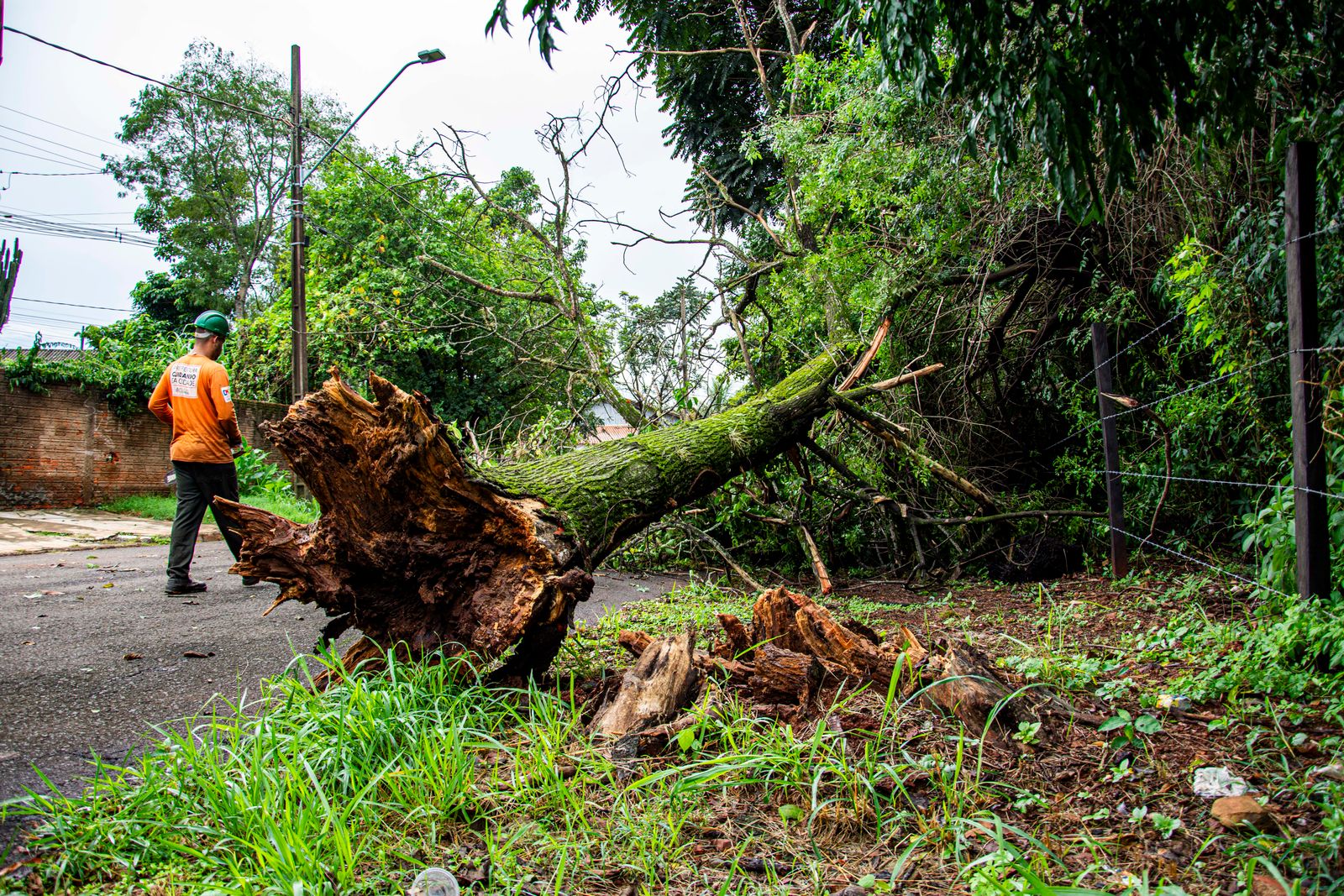
Tree service call triage is how you instantly separate a "tree on a house" emergency from a "trim the oaks in spring" request when the phone rings off the hook. Without a triage system during a storm surge, you miss high-ticket hazard removals while wasting time quoting deadwooding that could easily wait until next month.
When severe weather rolls through your service area, your call volume spikes. Homeowners panic when they see leaning trunks, snapped branches, or uprooted pines. They grab their phones and call the first tree service they find on Google.
If you answer the phone, you have a brief window to assess the situation. If you let it go to voicemail because your crews are already slammed, that caller hangs up and dials your competitor.
A ringing phone during a storm is only profitable if you can separate the immediate hazards from the cosmetic haircuts.
What is Tree Service Call Triage?
Tree service call triage is the operational process of categorizing incoming customer requests by urgency, ensuring that high-priority hazards are dispatched immediately while non-urgent maintenance is scheduled for a later date.
In the medical field, triage means treating the bleeding patients before the bruised ones. In your tree service business, it means dispatching your crane and climber to the oak tree crushing a roof before you send an estimator to look at a stump grinding job.
You cannot effectively dispatch a crew if you do not know the severity of the hazard before they load the chainsaws.
Implementing a triage system requires strict rules for whoever answers your phone. They must ask specific, targeted questions to determine the reality of the situation on the ground. Homeowners often exaggerate because they are scared, so your intake process must cut through the panic to find the facts.
The Triage Hierarchy: Categorizing Calls on the Fly
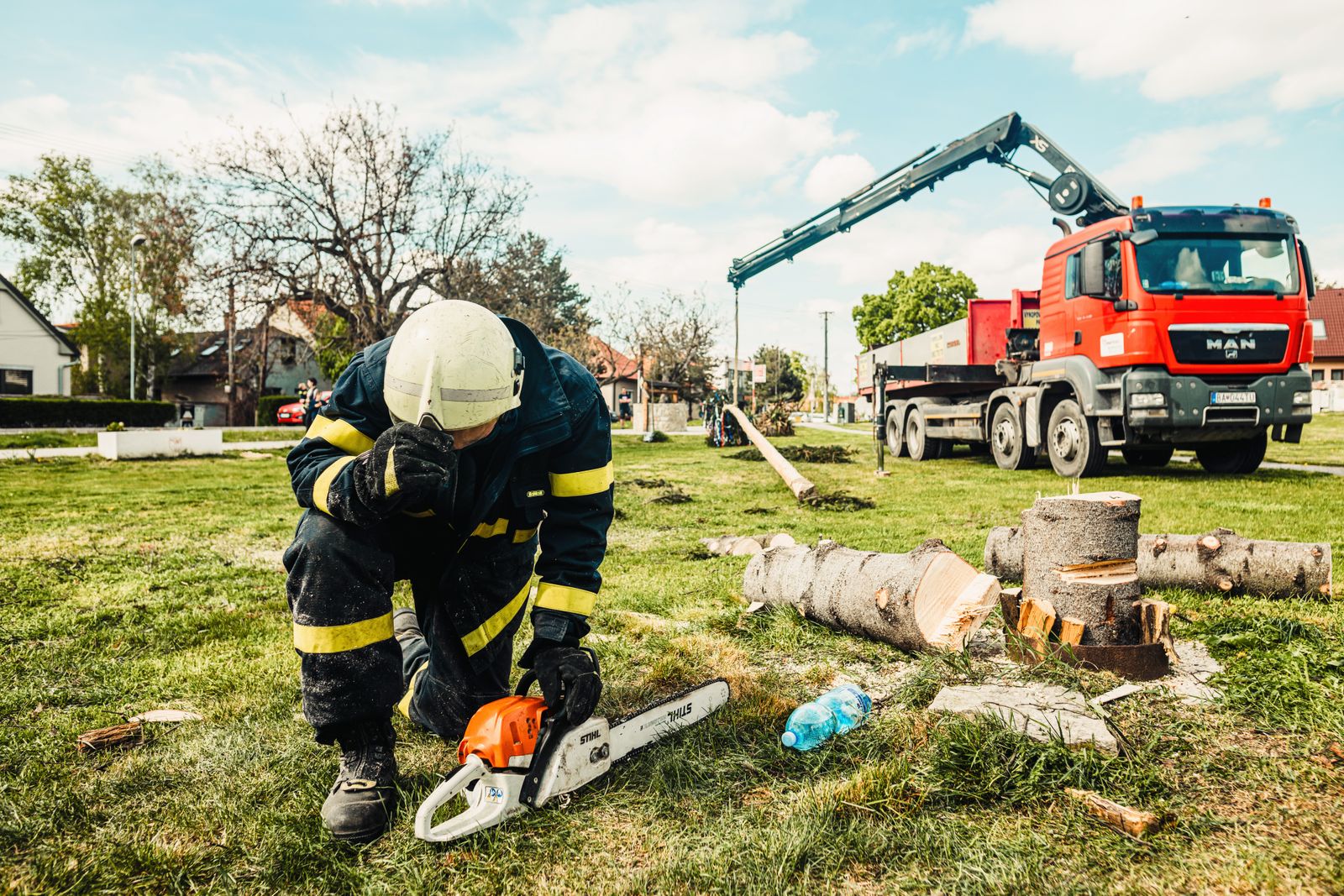
To manage a storm surge effectively, you need a clear framework. Train your office staff, your answering service, or configure your automated systems to group every incoming call into one of three distinct categories.
| Priority Level | Situation Definition | Standard Action to Take |
| :--- | :--- | :--- |
| Level 1: Emergency / Hazard | Tree resting on a house, car, or blocking primary access. Active danger to human life or property. | Dispatch crew immediately or guarantee a same-day emergency assessment. |
| Level 2: Urgent but Stable | Large branches down in the yard, leaning tree not yet touching a structure. | Schedule an assessment within 48-72 hours. Add to the priority routing list. |
| Level 3: Non-Urgent | Routine pruning, deadwooding, stump removal, or cosmetic clearing. | Log customer details into CRM. Send an automated text promising a callback when the storm clears. |
Notice that power line issues are not on this list. If a tree is tangled in active municipal power lines, that is generally a call for the local utility company, not your private crew. Part of triage is knowing when to redirect a caller for their own safety.
Triage is the difference between working the most profitable jobs and just working the first ones that happened to call.
The Real Cost of Missed Emergency Calls
During a major weather event, it is physically impossible for a small office team to answer every single phone call if they are already on the line coordinating crews. The overflow inevitably goes to voicemail.
Assume you charge $2,500 for an emergency hazardous tree removal involving a crane. If an overwhelmed phone line costs you just four of these jobs over a weekend storm because callers refused to leave a voicemail, that is $10,000 in lost gross revenue. The homeowner with a tree in their living room will not wait for a callback; they will simply dial the next company in the search results.
We see this dynamic play out across local service businesses. When sudden ice storms cause pipes to burst, plumbers in Detroit must instantly filter out routine dripping faucets to capture the lucrative flood mitigation jobs. When coastal squalls threaten property, contractors handling board-ups in Miami Beach have to ignore drywall quotes to secure the immediate emergency work. Heavy snow breaking tree limbs in mountain towns like Durango requires the exact same immediate prioritization.
The company that answers the phone first and correctly identifies the emergency always wins the bid.
Essential Triage Questions to Ask Callers
To execute this system, your front line needs a script. Equip your phone handlers with a checklist of triage questions:
- Is the tree currently touching or resting on your house, garage, or vehicle?
- Are there any downed power lines near the tree?
- Is the tree blocking the only driveway or exit to your home?
- Has the trunk visibly cracked, or is the root plate lifting out of the ground?
If the answer to all of these is "no," the job is not an emergency. You can safely categorize it as a Level 2 or Level 3 priority.
Keeping Non-Urgent Jobs Warm (The Backlog Strategy)
Just because a job is non-urgent does not mean you want to lose it. The biggest mistake tree care companies make during a storm surge is ignoring Level 3 callers entirely.
If someone calls for a routine pruning quote during a hurricane, they are still a valuable lead. They just called at the wrong time. If you tell them, "We are too busy with storm damage, call back next month," they will find someone else.
Lead capture is the automated process of saving a caller's contact information and request details into a database for immediate or future follow-up.
Instead of turning them away, capture their information and set a clear expectation. Tell them: "We are currently under emergency storm operations and dispatching strictly to hazardous situations. I have logged your request for a property quote, and our estimator will reach out to you next Tuesday when the weather clears."
The jobs you defer during a storm surge are the exact jobs that pay your crews during the slow, dry season.
By securing their contact information and promising a specific timeline, you keep the lead warm. Most homeowners are reasonable. They understand that a tree on a roof takes precedence over their aesthetic trimming request, provided you acknowledge them professionally.
Automating Your Front Desk: How AI Receptionists Handle the Flood
When the winds howl and the calls spike from five a day to fifty an hour, human dispatchers become the bottleneck. You can only put so many callers on hold. This is where modern automation steps in to save your revenue.
An AI receptionist is a conversational software agent trained on your specific business rules that answers phone calls, interacts with customers via voice, and categorizes their needs without human intervention.
You can configure an AI answering system to ask your exact triage questions. When a call comes in at 2:00 A.M., the AI answers instantly. It asks the caller if the tree is on a structure.
If the caller says yes, the AI flags the call as an emergency, logs the address, and sends an instant text and email alert to your on-call crew chief. If the caller says they just want a stump ground down, the AI politely explains that the company is in storm mode, logs their information, and schedules a follow-up for next week.
An AI receptionist never sleeps, never panics, and never puts a frantic homeowner on hold.
We build systems specifically designed for these scenarios. For tree service owners tired of losing leads to voicemail, we offer a dedicated AI receptionist that integrates directly with your business. It is available as a standalone product for $199/mo, or you can add it to our $99/mo Launch website plan for just $79/mo.
When integrated properly, this technology ensures that your tree service call triage happens flawlessly in the background, allowing you to focus entirely on operating the heavy equipment safely. You can read more about managing high-volume call scenarios in our broader guide to Missed Calls & AI Receptionists.
Next Steps: Lock Down Your Storm Triage Plan
A storm will eventually hit your service area. When it does, your phone will ring. The only question is whether you have a system in place to filter the noise and capture the high-ticket emergencies.
Start by defining your triage hierarchy today. Write down the specific questions your team must ask to separate a Level 1 hazard from a Level 3 routine trim. Train your staff to stick strictly to this script.
If you realize your current setup cannot handle the volume, it is time to upgrade your front desk. You can view our pricing to see exactly how our custom-coded websites and AI answering systems work together, or you can get a free site preview generated for your tree service in about 60 seconds. Stop guessing who is calling, and start routing the right crews to the right properties.