Water Damage Call Answering: Why the First to Answer Wins
· Digital Advantage Studios LLC, Miami Beach, FL
Short answer: The first company to answer a water damage call wins because mitigation is an absolute emergency. Callers dealing with flooding will not leave a voicemail; they simply call the next search result until someone answers. Effective water damage call answering requires 24/7 intake systems to intercept customer panic instantly and secure the job.

The First 60 Words: The Emergency Rule
The first company to answer a water damage call wins because mitigation is an absolute emergency. When a homeowner is standing in an expanding puddle at 2:00 A.M., they will not leave a voicemail. They simply call the next search result until someone picks up. Effective water damage call answering means intercepting that panic instantly.
The Anatomy of a Midnight Panic Call
Water mitigation is not like remodeling a kitchen or scheduling an annual furnace tune-up. A homeowner looking for a contractor to build a deck will happily leave a message, wait three days for a callback, and gather four different bids. Water damage operates on an entirely different psychological clock.
When a supply line bursts under a sink, the homeowner's world shrinks to the immediate physical threat. The sound of running water is loud. The damage is visibly expanding across their flooring. In that moment, the customer is not shopping for the best price or the most robust warranty. They are shopping for immediate salvation.
Secondary damage is the structural degradation or mold growth that develops when standing water is ignored for too long. Because water immediately starts wicking up drywall and seeping under baseboards, every passing minute costs the homeowner money and peace of mind. They grab their phone, search for a local restoration company, and tap the first phone number they see.
Panic does not leave a message after the beep.
If your phone rings four times and goes to a recording, the caller hangs up before the robotic voice even finishes asking for their name. They hit the back button on their phone, return to Google, and call the company sitting right below you in the search results.
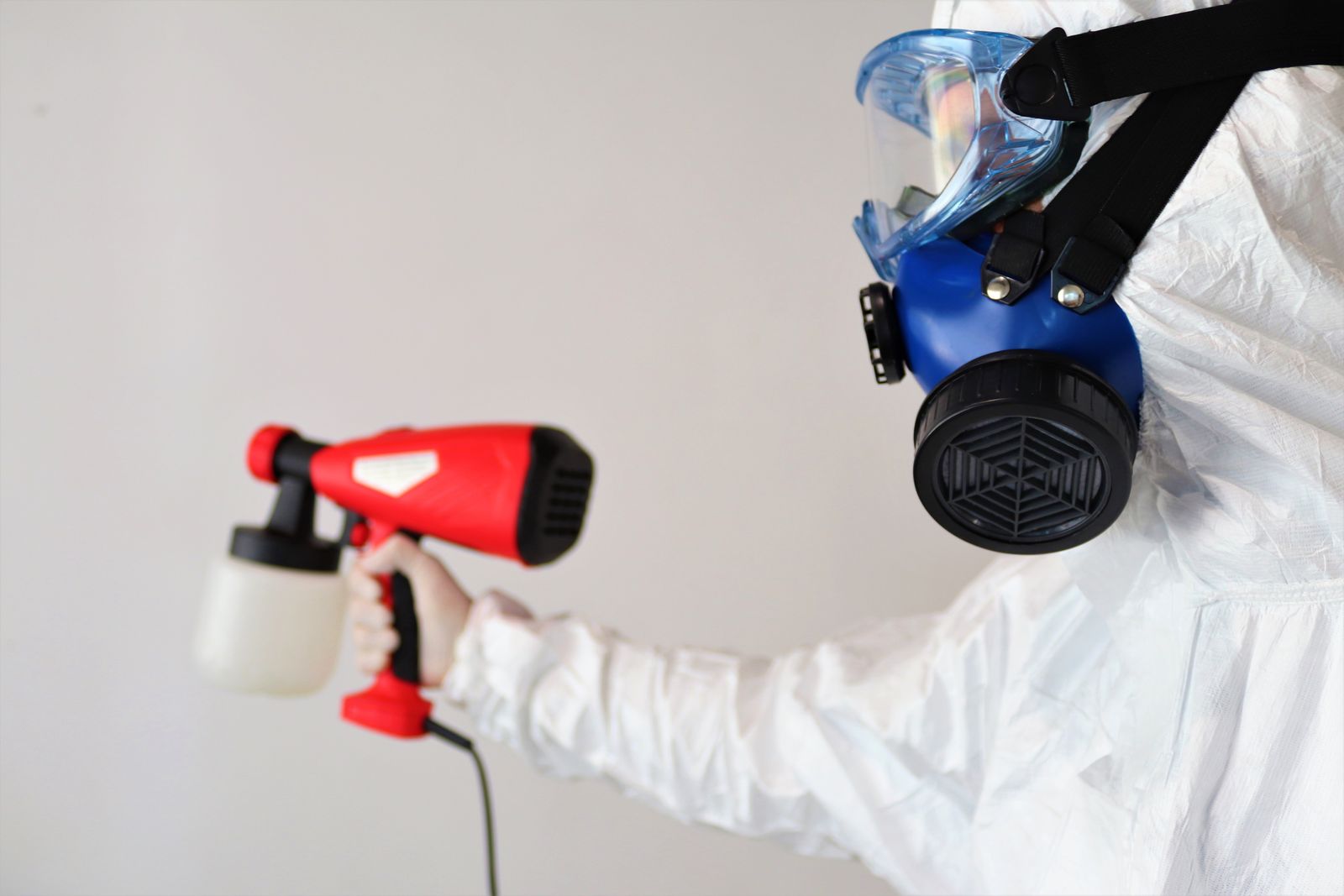
!Water and fire damage restoration work — Water Damage Call Answering: Why the First to Answer Wins
Why Voicemail is a Lead Killer in Restoration
Many owners we speak to believe their voicemail greeting is sufficient for after-hours calls. They record a comforting message instructing the caller to leave their details and promising an immediate callback for emergencies. But this assumes the caller is rational and patient.
Assume a conservative estimate of half your emergency callers hanging up the moment they hear an automated greeting. That represents tens of thousands of dollars in lost mitigation and reconstruction revenue washing away simply because a human voice did not say "hello."
We see this constantly when evaluating local search visibility in places like Cullman. A company fights hard, optimizes their Google Business Profile, and secures the top map spot. They earn the very first phone call. But because they rely on voicemail after 5:00 P.M., the actual revenue flows down the street to the competitor sitting in the third position who employs a 24/7 answering solution.
The best technician in the state will always lose to the fastest receptionist in town.
Customers associate a live answer with an immediate dispatch. If they hear a real person validating their emergency, they stop searching. Your goal is to get them to put their phone down and wait for your truck, ending the competitive bidding process before it even begins.
Mapping the 24/7 On-Call Rotation
Providing a live answer around the clock is operationally exhausting. For an independent restoration company, it usually involves passing a dedicated cell phone around the shop. One week, the lead estimator takes the phone home. The next week, it goes to the senior water technician.
This system creates massive friction. Technicians work hard during the day carrying air movers and wrestling with extraction wands. When the emergency phone rings at 3:15 A.M., you are relying on a deeply fatigued employee to wake up instantly, sound professional, and project empathy to a panicking homeowner.
Often, the technician sleeps through the first two calls. By the time they jolt awake and dial the number back, the homeowner has already spoken to a competitor. If you run a business in Miami Beach, where condo leaks are common and the competition is fierce, missing that three-minute window means the job is gone.
Sleepy technicians are terrible at closing sales.
When a tired employee answers the phone, their tone often inadvertently communicates annoyance. The homeowner is frantic, but the technician just wants to know if it is a real emergency worth getting out of bed for. This misalignment ruins trust. You need a dedicated, awake, and process-driven intake system that handles the raw emotion of the caller before routing the details to the on-call staff.
The First-Five-Questions Script
Intake for water damage requires a delicate balance. You must gather enough technical information to know what equipment to pack, but you cannot interrogate a frantic customer. The initial conversation should take less than two minutes.
Here is the exact framework your answering service, AI, or nighttime dispatcher should use to control the call and secure the lead.
| Question | Purpose | Dispatch Impact |
| :--- | :--- | :--- |
| "Are you currently safe, and has the water source been turned off?" | Establishes immediate authority and stops active damage. | Determines if you need to dispatch a plumber first or walk them through finding the shut-off valve. |
| "What exactly is wet right now?" | Assesses the scale of the mitigation. | Dictates whether you send a single technician in a van or a box truck loaded with extractors and dehumidifiers. |
| "Is the water from a clean pipe, a washing machine, or a sewage backup?" | Categorizes the loss (Category 1, 2, or 3). | Tells the crew what Personal Protective Equipment (PPE) is strictly required upon entry. |
| "What is the address of the property?" | Secures the physical location for the rescue. | Sets the GPS route and provides the estimated time of arrival (ETA) to calm the caller. |
| "Our on-call crew is gearing up. What is the best number for the lead technician to text you on their way?" | Closes the loop and establishes the next communication step. | Commits the customer to waiting for your team rather than calling another company. |
Control the conversation with calm questions, and the customer will trust your competence.
Automating Intake: AI Receptionists and Human Dispatch
To solve the 24/7 answering problem, businesses traditionally rely on remote call centers. These third-party services provide a live human to take messages. While a traditional answering service is infinitely better than voicemail, the operators often lack industry-specific knowledge. They read a generic script, tell the customer "someone will call you back," and send you an email.
Today, you have more sophisticated options. An AI receptionist can be trained on the exact nuances of your business. It can answer the phone on the first ring, recognize a water damage emergency, ask the five critical questions listed above, and immediately text the typed transcript to your on-call technician.
If you want to secure these leads without completely overhauling your operations, the math is straightforward. If you need a new website, our Launch plan is $99/mo with no setup fee. It includes a custom 1-page website generated in about 60 seconds that goes live today, plus your custom domain, hosting, and Google indexing. You can add the AI receptionist to this plan for an additional $79/mo.
If your website is already fine and you just need the answering engine, the AI receptionist is available as a standalone product for $199/mo. Finally, if you want comprehensive digital growth, our Growth plan at $449/mo (plus a $299 one-time setup) includes the AI receptionist, monthly SEO work, blog posts, and priority support.
Automation never sleeps, never sounds tired, and never forgets to ask for the address.
By deploying intelligent intake, you guarantee that every single midnight caller is met with an immediate, professional response that validates their emergency and initiates the dispatch sequence.
Escalation: Routing the Right Calls to Sleepy Techs
Capturing the lead is only the first half of the battle. The second half is waking up your crew without waking them up for false alarms.
Call routing is the process of directing an incoming call or digital alert to a specific phone number based on predefined rules. You do not want your lead extraction technician waking up at 4:00 A.M. for a billing dispute or a vendor trying to sell you safety gloves. You only want their phone to ring when water is actively destroying a home.
When evaluating plumbing services in places like Harrison or restoration services regionally, we set up strict escalation protocols. The intake system handles the initial conversation. If the caller confirms active water damage, the system bypasses standard email alerts and initiates an immediate SMS blast and phone call to the primary on-call technician.
Protect your technicians' sleep by filtering out the noise and only escalating true emergencies.
If the primary technician does not acknowledge the alert within three minutes, the system routes the escalation to the secondary technician, and finally to the business owner. This ensures that a guaranteed high-ticket mitigation job never falls through the cracks just because one person had their phone on silent.
Wrapping Up: Your Next Step for Lead Capture
Water damage mitigation is a highly lucrative service, but you only earn the right to perform the work if you answer the phone first. By replacing your voicemail with a 24/7 intake system, standardizing your questioning script, and protecting your technicians with smart call routing, you capture the revenue your competitors sleep through.
For more strategies on capturing emergency leads, read our full series on Missed Calls & AI Receptionists.
If you are ready to stop losing midnight jobs to voicemail, you do not have to wait weeks for a solution. With our proprietary app system, you can get a custom lead-capture website generated in about 60 seconds that goes live today, with no long-term contracts. Head over to get a free site preview right now and see exactly how your new intake engine will look before you spend a single dollar.